
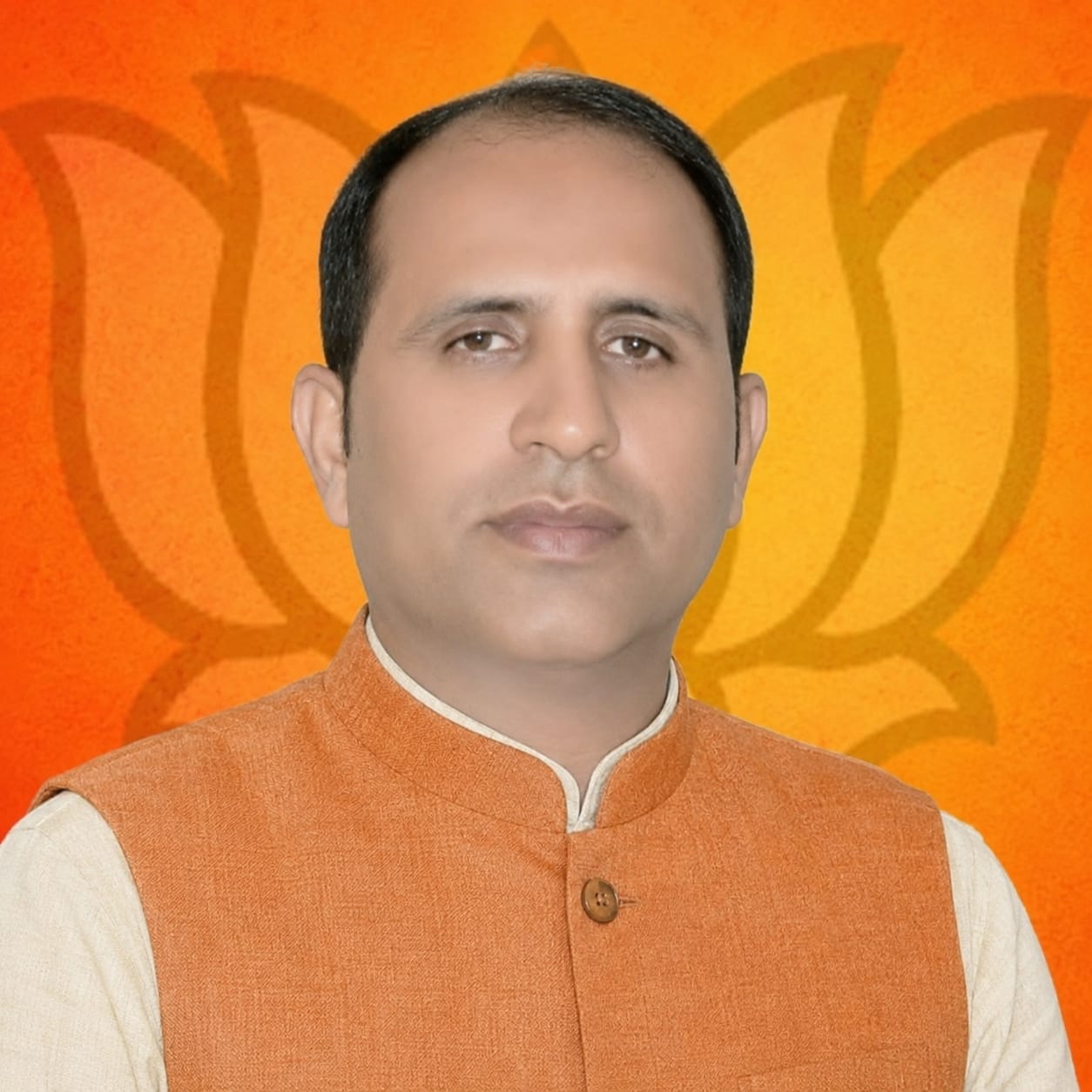
JAMMU, Oct 31: Senior BJP leader and former Sarpanch Adv Devraj Sharma on Friday strongly criticised opposition parties for repeatedly questioning the achievements of the Narendra Modi-led government, alleging that their criticism often stems from political compulsions rather than an objective assessment of the country’s development record.Reacting to the latest World Bank report, India Poverty and Equity Brief: October 2026, Sharma said the findings provide international recognition of India’s remarkable progress in poverty reduction and expose the hollowness of the opposition’s persistent attempts to portray the country’s development journey negatively.
He pointed out that India’s extreme poverty rate declined dramatically from 27.1 per cent in 2011 to 2.6 per cent in 2023, according to the World Bank, while approximately 496 million people moved out of poverty during the period. The report also recorded a decline in the population living below the lower middle-income country poverty line from 57.7 per cent to 16.1 per cent.
Sharma said these figures represent more than statistical achievements, as they reflect improvements in the living conditions and economic opportunities of millions of Indian families. He credited the government’s emphasis on welfare delivery, employment opportunities, financial inclusion, food security and development-oriented policies for contributing to this progress.
Taking a dig at opposition parties, Sharma said political differences are natural in a democracy, but refusing to acknowledge credible findings merely because they reflect positively on the government is not responsible politics.
He observed that whenever India achieves recognition at the international level, certain opposition leaders attempt to undermine the achievement instead of appreciating the country’s collective progress. According to him, constructive criticism should focus on remaining challenges and suggest practical solutions rather than dismissing every government initiative for political advantage.
Referring to the World Bank’s observations, Sharma highlighted the role of rising employment, particularly among women, strong consumption growth and expanded social transfers, including food subsidies, in reducing poverty.
He said the increase in employment by approximately 134 million people between 2017 and 2023, with significant participation by rural women, demonstrates the importance of creating opportunities at the grassroots level.
Sharma maintained that the Modi Government’s development approach has focused on ensuring that the benefits of economic growth reach ordinary citizens, particularly economically weaker families, women and rural communities.
While welcoming the findings, Sharma said the remaining challenges, including wage disparities, youth unemployment and regional concentration of poverty, must receive sustained attention. He stressed that poverty reduction should be accompanied by productive employment, better educational opportunities, skill development and stronger household incomes.
He said the findings should encourage the government to accelerate its efforts towards building a developed India by 2047, ensuring that economic progress translates into tangible improvements in people’s lives.
Sharma asserted that India’s development story should be judged through credible data, ground-level outcomes and improvements in people’s living standards rather than political rhetoric. He urged opposition parties to rise above partisan considerations and acknowledge achievements that strengthen the country’s image and confidence.