
JAMMU, Oct 11: World Arthritis Day, observed annually on October 12, raises awareness about arthritis and other rheumatic and musculoskeletal diseases. The 2026 theme, “Achieve Your Dreams,” highlights the importance of timely diagnosis, effective treatment, rehabilitation and social support in helping people with arthritis lead active, productive and dignified lives.
Arthritis is not a single disease but an umbrella term for more than 100 conditions affecting the joints, muscles, bones and surrounding tissues. Common forms include osteoarthritis, rheumatoid arthritis, gout and ankylosing spondylitis. Persistent joint pain, swelling, warmth, restricted movement, fatigue and morning stiffness lasting more than 30 minutes are important warning signs that should not be ignored. Joint pain should not automatically be considered a normal part of ageing, particularly when it recurs or interferes with everyday activities such as walking, gripping objects or climbing stairs.
Early diagnosis is essential because different forms of arthritis require different treatments. Osteoarthritis involves the gradual breakdown of joint tissues, while rheumatoid arthritis is an autoimmune inflammatory disease that can cause permanent joint damage if not adequately controlled. Gout requires appropriate management of uric acid levels, diet, medication and associated kidney or metabolic conditions. Delayed diagnosis can result in avoidable disability, reduced work capacity, emotional distress and dependence on others. The message “Don’t Delay, Connect Today” therefore remains highly relevant, encouraging people with persistent joint symptoms to seek professional medical advice rather than rely on prolonged self-treatment.
Arthritis can often be managed through individualised medical care, regular physical activity, weight management and rehabilitation. Activities such as walking, swimming, cycling, gentle stretching and supervised yoga can help maintain mobility and muscle strength, depending on the individual’s condition. Maintaining a healthy body weight reduces pressure on weight-bearing joints, particularly the knees and hips. Good posture, avoiding excessive physical strain and following prescribed treatment are equally important. Painkillers should not be used continuously without medical advice, while new swelling, fever or rapidly worsening pain requires prompt medical assessment. Mental well-being also deserves attention because chronic pain can affect sleep, mood, confidence and participation in family and professional life.
Ayurveda offers a traditional, holistic approach to joint care, with attention to lifestyle, diet, digestion and overall well-being. In Ayurvedic terminology, osteoarthritis-like symptoms are associated with “Sandhigata Vata”, characterised by pain, stiffness, restricted movement and joint crepitus. “Amavata” is a traditional Ayurvedic category associated with inflammatory joint symptoms. Selected Panchakarma procedures may be considered as complementary therapies under the supervision of a qualified Ayurveda physician. These include Abhyanga, or medicated oil massage; Swedana, or therapeutic heat and steam treatment; Janu Basti, which involves retaining warm medicated oil around the knee; Kati, Greeva and Prishta Basti for certain back, neck and spinal complaints; Basti, or medicated enema therapy; and Upanaha, which involves applying a warm herbal poultice over affected joints.
Ayurvedic practice also emphasises balanced meals, regular meal timings, appropriate rest and gentle physical activity. However, the suitability and effectiveness of individual therapies vary, and they should not replace evidence-based medical treatment, particularly for inflammatory arthritis, where early intervention is essential to prevent joint damage. People should consult qualified healthcare professionals before beginning any new treatment.
Arthritis is a major contributor to long-term disability worldwide, affecting individuals, families, workplaces and healthcare systems. In the United States, approximately one in four adults has diagnosed arthritis, and many affected people remain in their working years. On World Arthritis Day 2026, healthcare institutions, employers, educational institutions and community organisations should promote awareness programmes, early assessment, accessible physiotherapy and rehabilitation services, workplace accommodations and accurate public information.
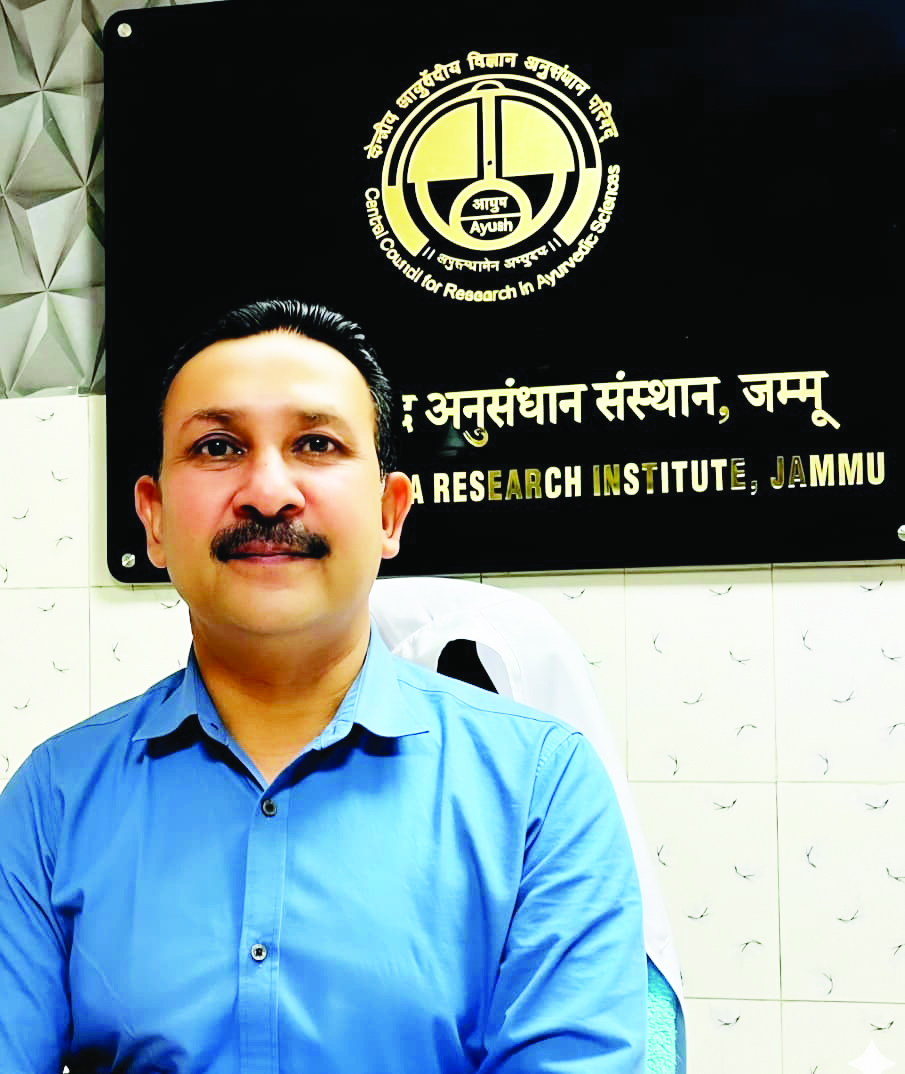
The objective extends beyond reducing pain. It is to help people living with arthritis preserve mobility, maintain independence and pursue their personal and professional aspirations with dignity. Dr Harbans Singh urged people experiencing persistent joint pain, morning stiffness, swelling or difficulty performing routine activities to consult a qualified healthcare professional without delay. Early diagnosis, appropriate treatment and sustainable lifestyle choices can make a meaningful difference in maintaining joint function and improving quality of life.