
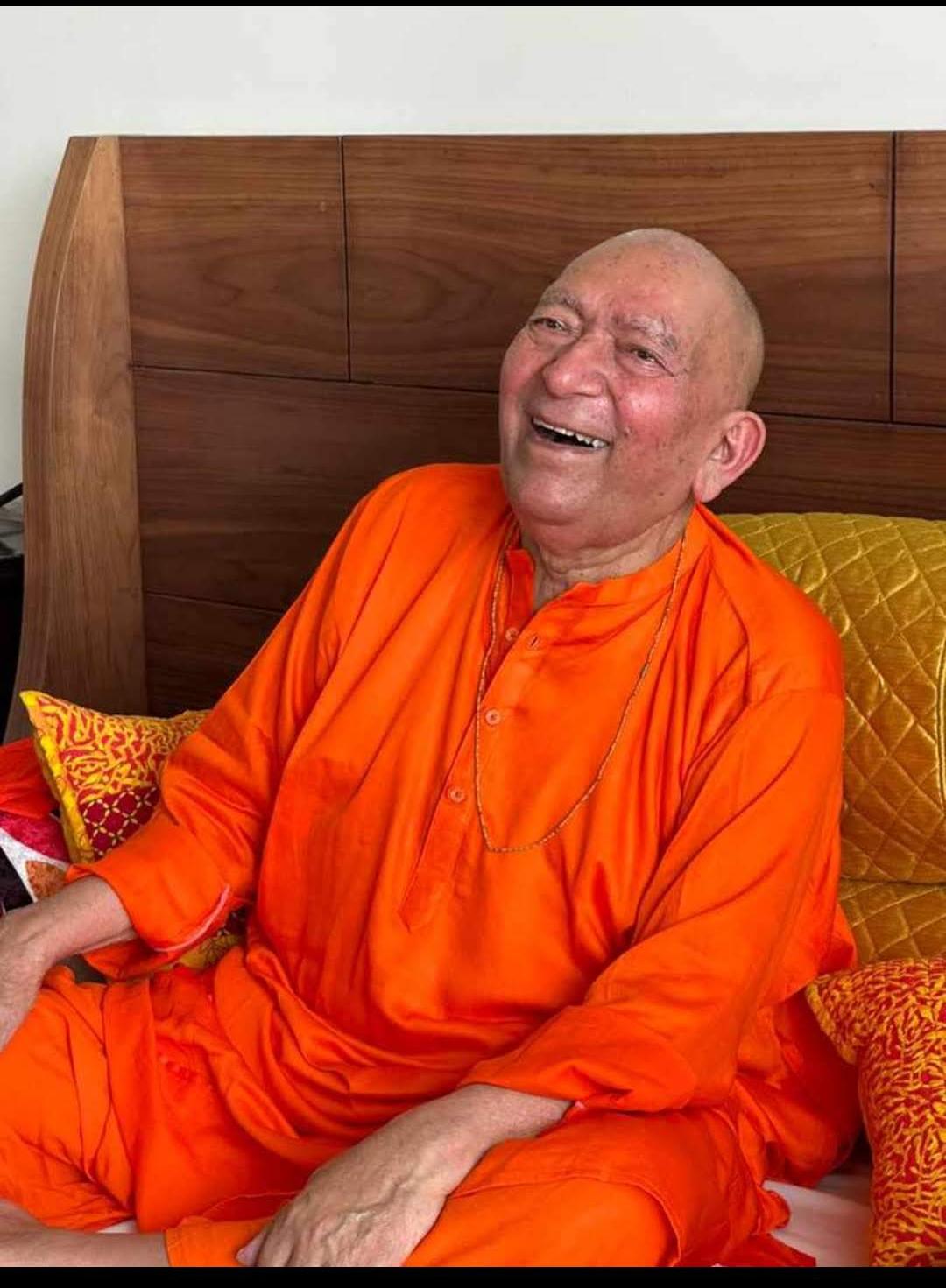
JAMMU / YOL, Jun 3: On the 53rd day of the ongoing 78-day grand Yajna ceremony dedicated to all four Vedas at Ved Mandir, Yol, renowned Vedic scholar and Yoga Acharya Swami Ram Swarup Ji delivered an enlightening discourse based on Atharvaveda Kanda 3, Sukta 10 and 11, emphasizing the transformative power of Vedic knowledge, self-study and spiritual discipline in human life.
Addressing the gathering of devotees, Swami Ji explained that according to the Vedic principle “Shrutam Tapah Swadhyaya Tapah,” every human being, having attained the rare gift of human birth, has the sacred responsibility to listen to the Vedas from learned scholars and engage in regular self-study of Vedic scriptures. Such sincere pursuit of knowledge elevates a person from an ordinary existence to the status of a true tapasvi (spiritual practitioner). He stated that this form of spiritual austerity destroys inner enemies such as lust, anger, pride, greed and ego, while also enabling God to eradicate sinful tendencies that are contrary to Vedic teachings.
Swami Ram Swarup Ji urged people to adopt daily practices such as Vedic self-study, unwavering faith in God, Agnihotra (Yajna), and remembrance of the Divine Name, describing them as powerful means of achieving physical, mental and spiritual well-being. Referring to the teachings of all four Vedas, he said that regular performance of Agnihotra and Yajna helps individuals attain good health, freedom from disease and a long life.
Highlighting the significance of Atharvaveda Mantra 3/11/2, Swami Ji said that the Supreme God has assured that even a person afflicted by severe illness or nearing death can, through sincere spiritual practice and divine grace, be protected from the jaws of death and blessed with a healthy life extending up to a hundred years. He expressed concern that in modern times many people have drifted away from Vedic teachings, resulting in growing anxiety, stress, diseases and premature deaths.
Concluding his discourse, Swami Ram Swarup stressed that if India is to reclaim its greatness and if individuals seek lasting happiness, robust health and freedom from suffering, society must eventually return to the eternal wisdom of the Vedas. He asserted that the Vedic path is the divinely ordained way to attain true peace and prosperity, and that neglecting it leaves humanity vulnerable to continued suffering and unrest.