
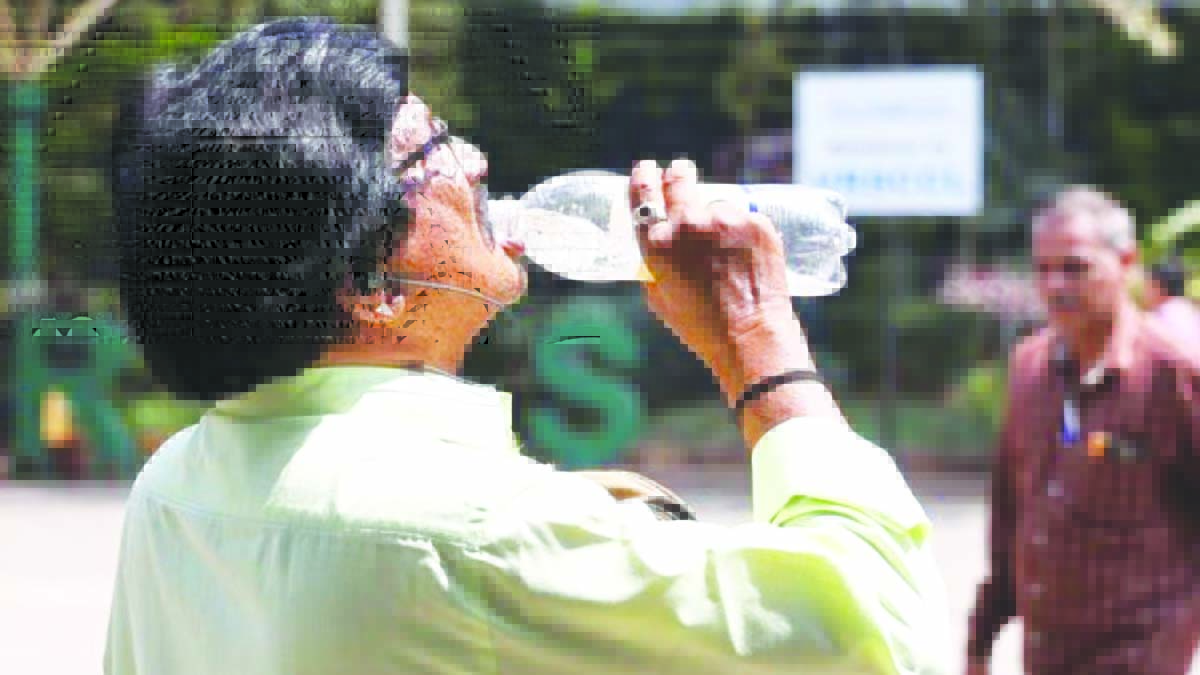
The intense heatwave sweeping across several parts of the country has once again highlighted the urgent need for long-term planning, public awareness and climate-sensitive governance. Rising temperatures are no longer limited to a few summer weeks. Heatwaves are becoming more frequent, longer and more dangerous, affecting health, agriculture, water supply, electricity consumption and the daily lives of millions of people. The situation demands immediate as well as sustainable measures from governments, institutions and citizens alike.
In many regions, temperatures are crossing 45 degrees Celsius, creating serious health risks for children, elderly people, outdoor labourers and economically weaker sections. Heatstroke, dehydration, exhaustion and respiratory complications increase sharply during such periods. Hospitals often witness a rise in emergency cases, while workers engaged in construction, farming and transport face extreme difficulties in carrying out their daily activities.
One of the biggest concerns during a heatwave is the lack of preparedness at the local level. Many urban areas suffer from poor planning, shrinking green spaces and excessive concretisation, which trap heat and create “urban heat islands.” Rural areas, on the other hand, face water scarcity and crop stress. Climate change has further intensified these problems, making extreme weather events more common than before.
To tackle the growing heatwave crisis effectively, governments must implement strong Heat Action Plans in every district. Such plans should include early warning systems, emergency medical preparedness, public awareness campaigns and coordination among various departments. Weather advisories should reach people in simple language through television, radio, social media and local administration. Schools may need revised timings during severe heat conditions, while outdoor work during peak afternoon hours should be restricted wherever possible.
Access to clean drinking water must become a top priority during summer months. Public water points, shaded rest areas and mobile medical units should be arranged in crowded markets, bus stands and labour zones. Authorities should also ensure uninterrupted electricity supply, especially in hospitals and rural areas where power cuts worsen public suffering.
Environmental protection is equally important in the fight against rising temperatures. Large-scale plantation drives, protection of water bodies and promotion of eco-friendly infrastructure can help reduce the long-term impact of heatwaves. Cities need more parks, roadside trees and open spaces to maintain ecological balance. Rooftop gardening, rainwater harvesting and cool-roof technologies should be encouraged through government incentives and public participation.
Public awareness also plays a major role in preventing heat-related illnesses. People should avoid direct exposure to sunlight during peak hours, drink sufficient water, wear light cotton clothes and immediately seek medical help in case of dizziness or dehydration. Communities, resident groups and volunteers can support vulnerable people by distributing water, ORS and essential aid during extreme heat conditions.
Educational institutions and workplaces should also adopt climate-sensitive practices. Schools can spread awareness among students regarding environmental conservation and heat safety. Offices and industries should ensure safe working conditions for employees, particularly those working outdoors.
At a broader level, the heatwave crisis reminds us of the larger challenge of climate change. Rising global temperatures, deforestation, pollution and unplanned urbanisation are all contributing to extreme weather patterns. Therefore, tackling heatwaves is not only a seasonal responsibility but also part of a larger environmental commitment.
The need of the hour is collective action. Governments must strengthen disaster preparedness, environmental policies and public health systems, while citizens must adopt sustainable lifestyles and support environmental conservation. Heatwaves may be natural phenomena, but their impact can be reduced through awareness, planning and responsible action.
Protecting human life during extreme weather conditions should remain a national priority. A prepared society, informed citizens and environmentally conscious development can help the country face the growing heatwave challenge with resilience and responsibility.