
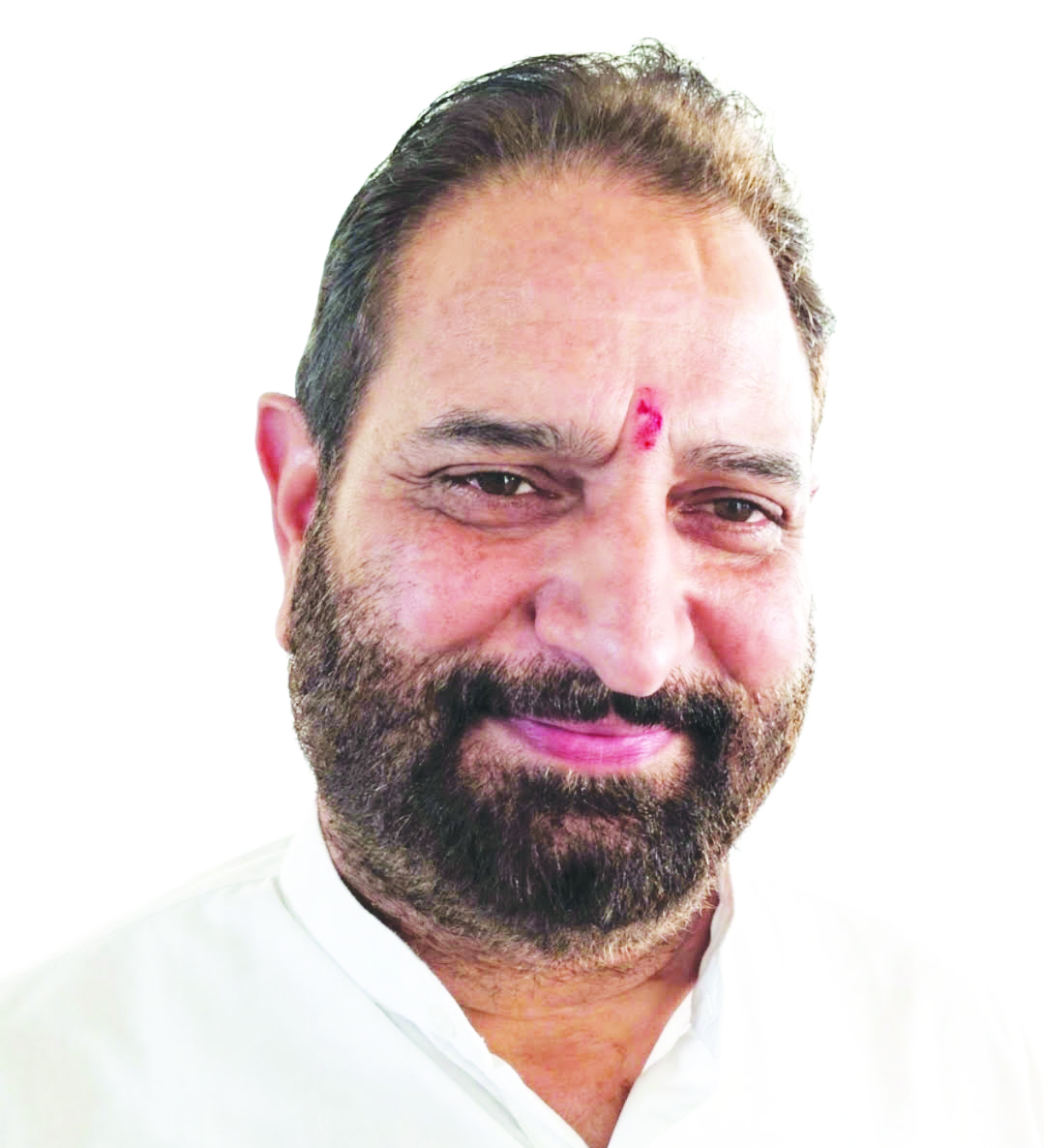
JAMMU, Oct 27: Describing true leadership as a commitment to serving others with kindness and humility rather than merely holding a position of authority, R.L. Kaith praised Dr. Vikrant Sharma, Seh Prant Sanghchalak, Jammu and Kashmir, for his dedication to social service, community development and national integration.
Dr. Sharma’s work in Jammu and Kashmir reflects his emphasis on connecting with people from diverse social and cultural backgrounds. Through his engagement with communities, he has sought to promote mutual respect, social harmony and a spirit of collective responsibility.
According to Kaith, Dr. Sharma’s leadership approach is rooted in humility, compassion and a genuine concern for people’s welfare. His commitment to social service, he said, demonstrates how meaningful leadership can inspire individuals to work together for the betterment of society.
Highlighting an experience from a remote area of Jammu predominantly inhabited by members of the Muslim community, Kaith noted that Dr. Sharma initially encountered scepticism because of his association with the Rashtriya Swayamsevak Sangh (RSS). However, his courteous behaviour, gentle communication and personal interactions gradually helped build relationships with local residents.
He recalled that the community developed a strong emotional connection with Dr. Sharma during his tenure and expressed considerable sadness when he was transferred. The experience, Kaith said, illustrated the importance of personal relationships, mutual understanding and consistent engagement in building trust across communities.
Dr. Sharma has also emphasised the contributions of social and spiritual reformers, including Mahatma Jyotiba Phule, Sant Kabir, Guru Ravidas, Guru Nabha Dass and Guru Gyagi, whose teachings highlight the values of humanity, equality and social harmony. Their messages, he believes, offer important lessons for building an inclusive society that respects diversity.
Speaking about the RSS, Dr. Sharma has maintained that the organisation seeks to promote unity and social cohesion by encouraging people to rise above divisions of caste, creed, colour and community. He has also highlighted its social-service activities and its role, as he sees it, in strengthening national integration.
Kaith observed that Dr. Sharma’s approach offers an important lesson in leadership: authority alone does not earn people’s respect; it is a person’s conduct, sincerity and willingness to serve that create lasting bonds with society.
In an era when social divisions and differences often pose challenges to collective progress, the importance of dialogue, empathy and mutual respect remains significant. Leaders who engage directly with communities and listen to their concerns can contribute to stronger relationships and a more harmonious social environment.
Dr. Sharma’s message centres on the belief that empowerment must go beyond words and become a collective effort to improve people’s lives. His emphasis on humility, service and unity, Kaith said, provides an example of how individuals can contribute to social welfare and inspire others to participate in constructive community initiatives.
Concluding his remarks, Kaith said that leadership should be measured not simply by the position a person occupies but by the positive difference that person makes in the lives of others. He emphasised that compassion, respect and selfless service remain essential values for building a society where people from all backgrounds can live with dignity, understanding and harmony.