
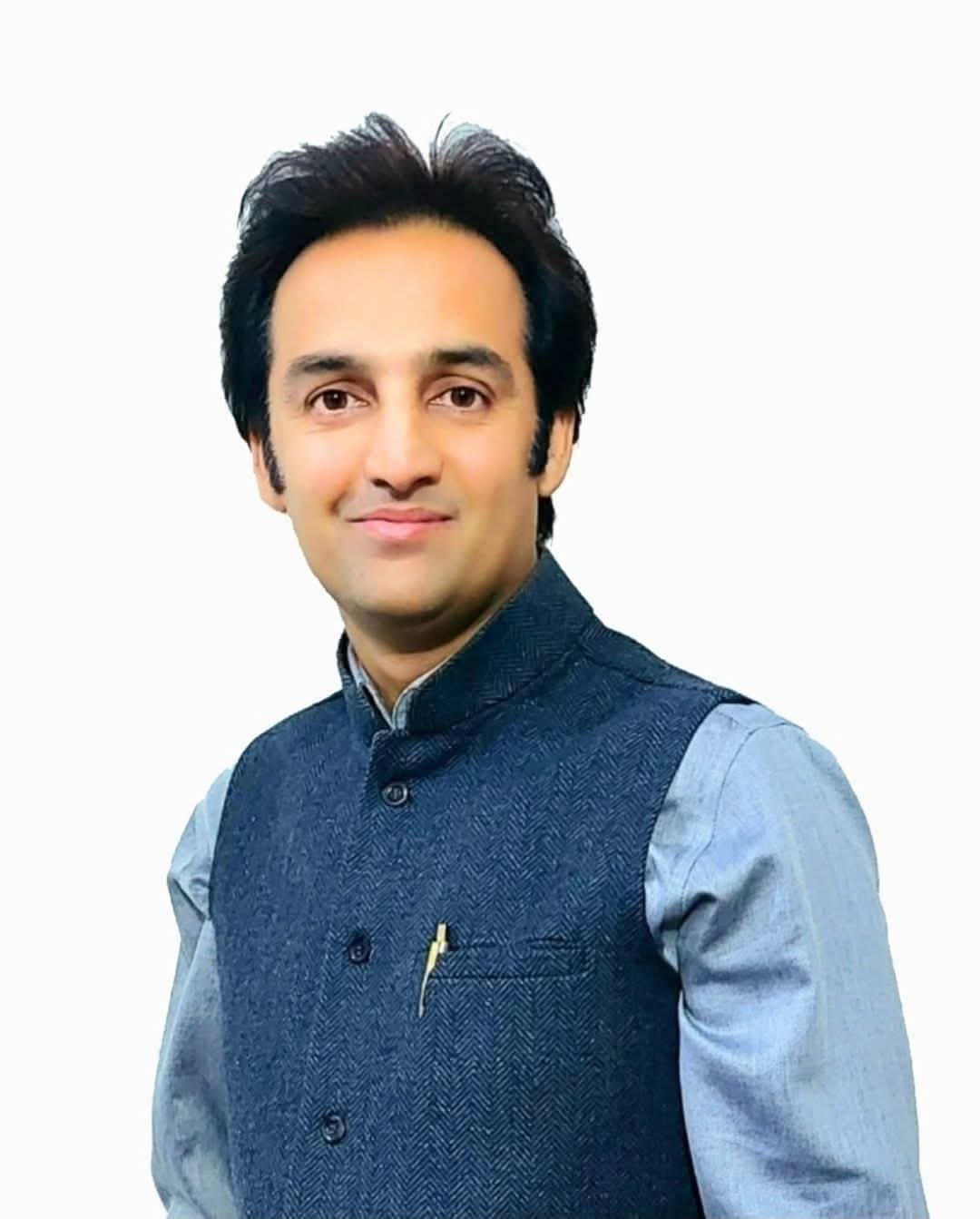
JAMMU, Jun 27: In a powerful statement that underscores the evolving dynamics of modern democracy, Bharatiya Janata Party (BJP) leader Rohiin Chandan highlighted the unparalleled influence of media in shaping public opinion, narratives, and societal outcomes. Describing media as a “master stroke and turning point” across every platform, Chandan drew attention to its unlimited power and profound impact in today’s interconnected world.
Issuing a press note on the critical role of media, Chandan noted that as the fourth pillar of democracy, the press, television, digital platforms, and social media collectively hold the extraordinary ability to elevate individuals, issues, and causes from obscurity to prominence. “Media possesses the remarkable capacity to lift any common person or issue from the floor to the throne,” he asserted. Referencing the popular idiom, he illustrated this phenomenon by stating that media can transform an ordinary individual — much like turning “Gangu Teli into Raja Bhoj” — into a celebrated figure through sustained and strategic coverage.
Chandan’s remarks come at a time when media landscapes are rapidly transforming with the advent of digital journalism, 24×7 news cycles, and social media amplification. He accurately captured the essence of this era by pointing out that media not only informs but actively decides what society will think about and discuss. This phenomenon is formally recognized in communication studies as the ‘Agenda Setting Theory’.
Rohiin Chandan further elaborated that media has the power to reshape public perception almost overnight. “Media can change the image of any person or leader in a matter of hours,” Chandan observed. Positive coverage, insightful interviews, and favorable storytelling can convert an ordinary citizen into a societal hero, while consistent visibility on prime-time debates and trending digital platforms can catapult local issues into national conversations. Conversely, the absence of coverage or negative framing can diminish even the most significant achievements.
Chandan praised the media’s role in amplifying voices that might otherwise remain unheard. In today’s digital age, a single viral video, an in-depth investigative report, or a compelling social media campaign can mobilize public support, influence policy decisions, and drive social change. He urged media professionals to wield this power responsibly, emphasizing that with great influence comes the responsibility to uphold truth, balance, and national interest.
The statement also touched upon the multi-platform reality of contemporary media. From traditional newspapers and television channels to influential digital outlets, podcasts, and short-video platforms, every medium contributes to the collective narrative. Chandan stressed that in this multi-dimensional ecosystem, strategic communication and media engagement have become essential tools for leaders, organizations, and social movements.
Chandan’s insightful commentary serves as a timely reminder for all stakeholders — political leaders, media professionals, and citizens alike — to recognize and respect the immense power of the fourth estate. As India marches towards greater progress under visionary leadership of PM Modi, a responsible and dynamic media ecosystem will remain instrumental in fostering informed citizenship and inclusive development.