
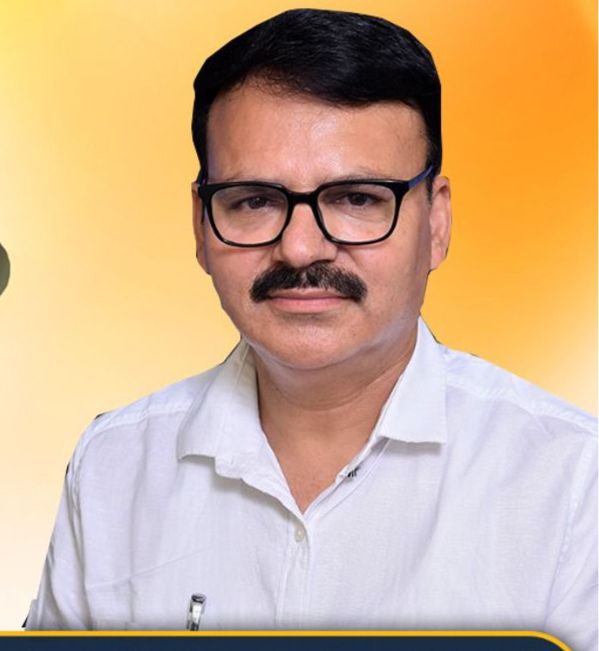
R S PURA, Jun 12: Renowned human rights activist Om Parkash Khajuria has urged the Jammu and Kashmir Government and Health Department to ensure the availability of anti-venom medicines and life-saving injections at all Primary Health Centres (PHCs), Community Health Centres (CHCs), Sub-District Hospitals and other healthcare institutions across the Union Territory in view of the ongoing paddy cultivation season and the approaching monsoon.
In a statement issued today, Khajuria expressed serious concern over the recurring incidents of snakebites and attacks by other poisonous creatures during the rainy season, particularly in rural and agricultural areas where thousands of farmers, labourers and villagers spend long hours working in fields.He said that every year several people fall victim to venomous snakebites and encounters with poisonous insects and animals, especially during paddy transplantation when farmers remain exposed to waterlogged fields, dense vegetation and marshy areas that serve as natural habitats for snakes and other dangerous creatures.
Khajuria stressed that timely medical intervention is crucial in such cases and any delay in administering anti-venom injections can prove fatal. He pointed out that many innocent lives have been lost in the past due to the non-availability of anti-venom medicines at nearby health facilities or because patients had to travel long distances to access treatment.”The golden hour after a snakebite is critical. Every minute counts, and the availability of anti-venom at the nearest health institution can make the difference between life and death. The government must ensure that no patient suffers due to shortages of life-saving medicines,” he said.
The human rights activist called upon health authorities to conduct an immediate assessment of medicine stocks and emergency preparedness at healthcare institutions, particularly in rural, remote and flood-prone areas where incidents of snakebites are more common during the monsoon months.
Khajuria further demanded that all Primary Health Centres, Community Health Centres and Sub-District Hospitals be adequately equipped with anti-snake venom, emergency medicines, trained medical personnel and proper referral mechanisms to handle poisoning cases effectively. He also advocated for special awareness drives in villages to educate people about preventive measures and first-aid practices in the event of snakebite incidents.
Highlighting the challenges faced by farming communities, he said that agriculture remains the backbone of rural livelihoods and farmers often work under difficult conditions during the paddy season. It is therefore the responsibility of the administration to provide them with a robust healthcare safety net and emergency medical support.
Khajuria also appealed to farmers, agricultural workers and residents of rural areas to exercise caution while working in fields, especially during early morning and evening hours when snake activity is generally higher. He advised people to wear protective footwear, use torches while moving through fields or village pathways at night, and avoid placing hands in areas where visibility is poor.
He urged villagers not to rely on superstitions or unscientific remedies in cases of snakebite and instead seek immediate medical assistance from the nearest health facility. Early diagnosis and prompt administration of anti-venom, he said, remain the most effective means of saving lives.Expressing hope that the government would act proactively, Khajuria said that strengthening healthcare preparedness before the peak monsoon season would not only save precious lives but also instill confidence among rural communities and farming families across Jammu and Kashmir.
He called for a coordinated effort involving the Health Department, district administrations and local bodies to ensure that emergency medical services remain fully operational and accessible during the monsoon season, particularly in vulnerable rural regions where the risk of snakebite and other venom-related emergencies is significantly higher.