
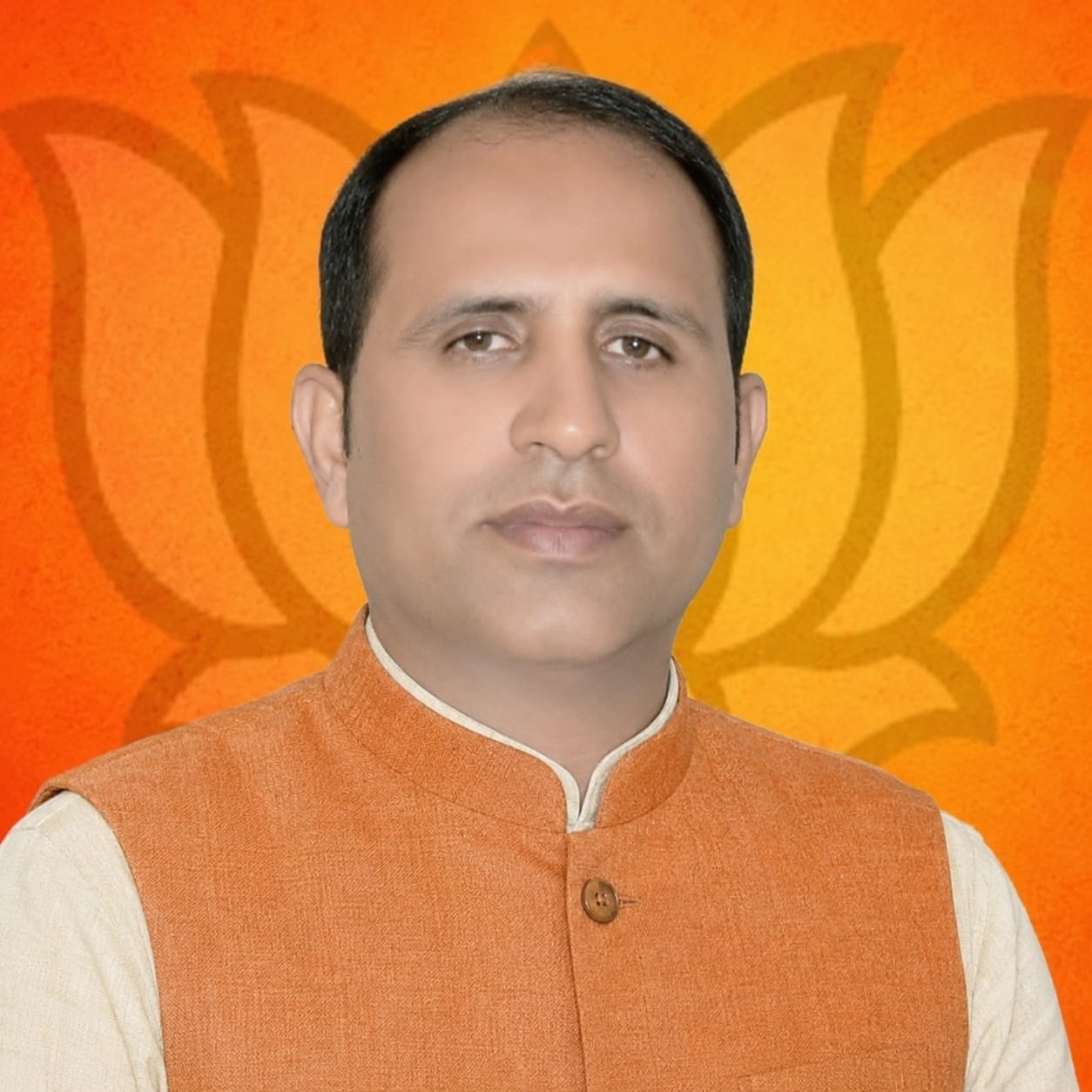
JAMMU, Nov 4: Senior BJP leader and former Sarpanch, Adv Devraj Sharma, has welcomed the decision of the High Court of Jammu and Kashmir and Ladakh to confer specified powers of a Judicial Magistrate First Class upon newly appointed Civil Judges (Junior Division), describing it as a significant step towards strengthening the grassroots judicial system and making justice-related services more accessible to the common people.
Sharma said the decision reflects a progressive approach towards improving the functioning of the judicial administration, particularly at the district and subordinate court levels, where litigants often face difficulties due to procedural delays, limited availability of authorised judicial officers and the need to travel to different locations for completing essential legal formalities.
He observed that the conferment of these powers would have a direct bearing on the convenience of litigants, investigating agencies and ordinary citizens by facilitating the timely performance of specific judicial functions within their respective districts.
Referring to the order issued by the Office of the Registrar General of the High Court in November 2026, Sharma said the newly appointed Civil Judges (Junior Division), appointed under Government Order No. 13833-JK(LD) dated October 27, 2026, have been authorised to perform three important categories of functions, subject to the applicable statutory provisions and rules.
He said the authority to record confessions and statements under Section 183 of the Bharatiya Nagarik Suraksha Sanhita (BNSS), 2023, is particularly important for ensuring that criminal proceedings are conducted in accordance with prescribed legal safeguards. The availability of authorised judicial officers at the district level can facilitate timely recording of statements and help avoid unnecessary procedural complications.
Highlighting the significance of the decision in combating the drug menace, Sharma said the authority to supervise the drawing, packing and sealing of representative samples of seized narcotic drugs and psychotropic substances under Section 52A of the NDPS Act, 1985, is an important procedural responsibility.
He explained that proper sampling, sealing and documentation of seized contraband are essential for maintaining the integrity of evidence and ensuring that cases under the NDPS Act are dealt with in accordance with the law. Any procedural deficiency in handling samples can potentially complicate prosecution proceedings. Therefore, the availability of authorised judicial officers to supervise this process will strengthen procedural compliance and contribute to more effective investigation and prosecution of narcotics-related cases.
Sharma also welcomed the authority granted to Civil Judges to administer oaths and affirmations for affidavits under the Oaths Act, 1969. He said this provision would particularly benefit ordinary citizens, litigants, applicants and people from remote and rural areas who frequently require affidavits for court proceedings and other official purposes.
He pointed out that people from villages and far-flung areas often have to spend additional time and money travelling to access even basic judicial and legal services. Making such facilities available through appropriately positioned judicial officers in their respective districts would improve accessibility and reduce avoidable inconvenience.
The BJP leader emphasised that the real impact of the High Court’s decision would depend upon its effective implementation. He urged the concerned authorities to ensure the timely positioning of newly appointed Civil Judges in their respective courts so that the benefits of the order reach the intended beneficiaries without delay.
He also appreciated the High Court’s efforts towards strengthening the subordinate judiciary and ensuring that judicial responsibilities are discharged more efficiently across Jammu and Kashmir and Ladakh.
“Justice must not only be delivered in accordance with the law but must also be accessible to the common citizen without unnecessary hardship. Strengthening judicial infrastructure at the grassroots level is essential for building public confidence in the justice delivery system. This decision will help bring certain important judicial functions closer to the people and provide much-needed procedural convenience to litigants,” Sharma said.
He expressed hope that continued administrative reforms, adequate judicial infrastructure, timely appointments and effective deployment of judicial officers would further improve the functioning of subordinate courts and make the justice delivery system more responsive, accessible and citizen-centric.