
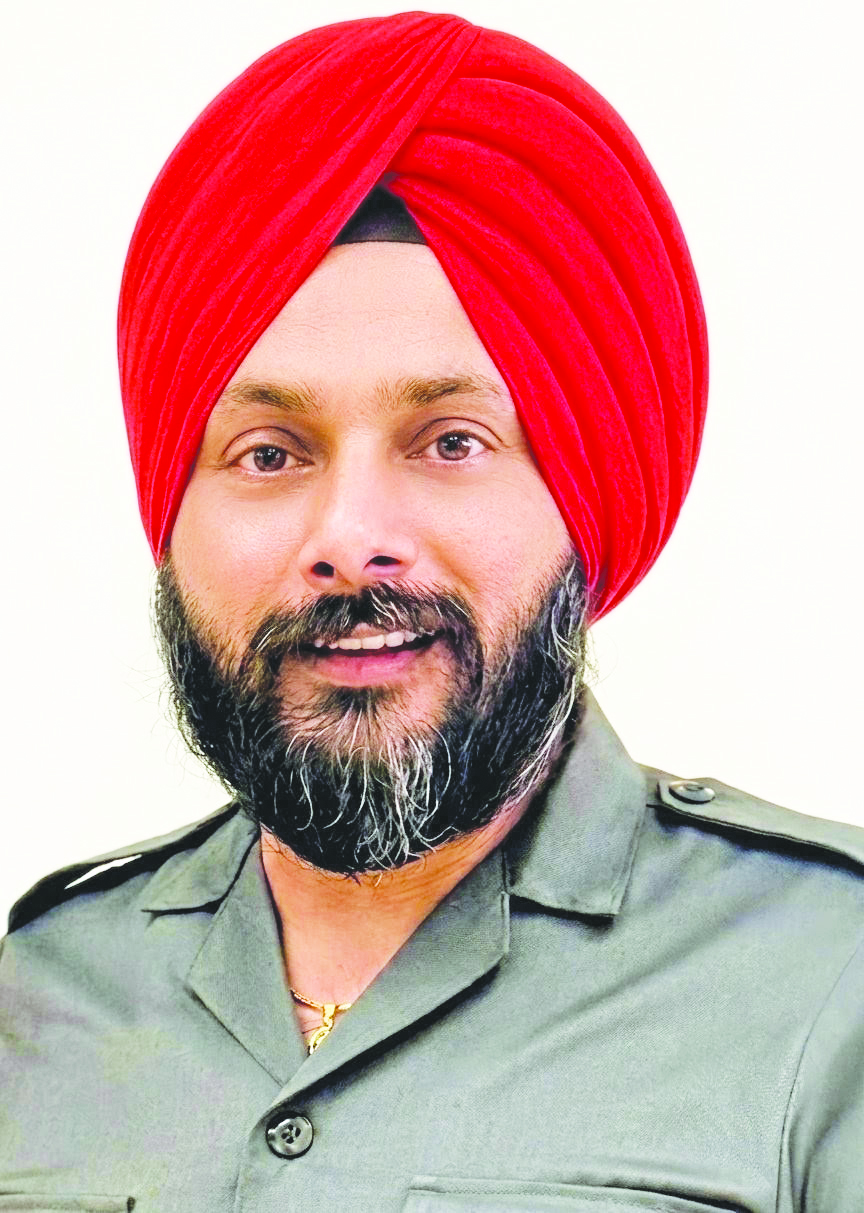
JAMMU, Sep 16: Heritage conservationist Dr. Satwant Singh Rissam, Additional Co-Convenor of the Jammu Chapter of the Indian National Trust for Art and Cultural Heritage (INTACH), has called upon citizens and institutions to recognise the protection of the ozone layer as part of humanity’s shared responsibility and environmental heritage.
On the occasion of World Ozone Day, observed annually on September 16, Dr. Rissam drew a parallel between conserving the ozone layer and protecting monuments, historic neighbourhoods and cultural landscapes. He stressed that safeguarding the stratospheric ozone layer is important for protecting the environment and ensuring a sustainable future for coming generations.
Dr. Rissam highlighted the relevance of the 2026 World Ozone Day theme, “Global Action for a Cooler Planet,” which coincides with the 10th anniversary of the Kigali Amendment to the Montreal Protocol. He noted that efforts to phase down high-global-warming-potential refrigerants and promote energy-efficient, climate-friendly cooling can also contribute to reducing environmental pressures that affect historic structures and communities.
“Just as we fight to conserve monuments and old neighbourhoods, we must also conserve the invisible shield above us—the ozone layer,” he said, adding that adopting sustainable cooling practices represents a form of long-term environmental stewardship.
Dr. Rissam urged households and businesses to choose certified ozone- and climate-friendly appliances and encouraged schools to incorporate ozone protection into environmental and heritage education.
He further called upon planners and institutions to integrate sustainable cooling practices into heritage-sensitive development, particularly in areas where historic structures and traditional neighbourhoods require protection from increasing environmental stresses. He emphasised that environmental conservation and heritage preservation are interconnected responsibilities and called for greater public participation in efforts aimed at protecting natural systems while safeguarding cultural heritage for future generations.