
BASOHLI, Sep 14: The growing trend of creating 1980s-inspired photographs using Artificial Intelligence (AI) has taken social media by storm, with users transforming their pictures through retro outfits, vintage hairstyles, old-fashioned backgrounds and cinematic effects.
While the trend may appear entertaining, experts and digital-safety advocates are urging users, particularly girls and women, to exercise caution before uploading personal photographs to AI platforms.
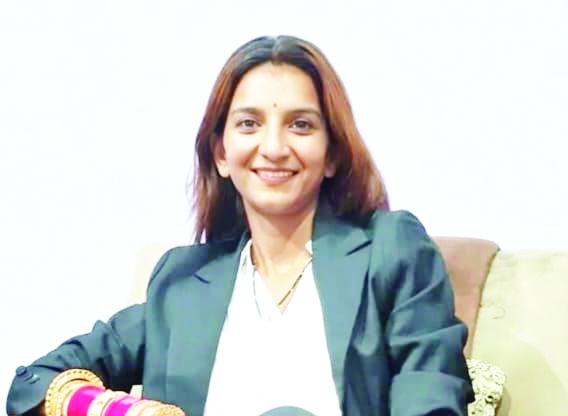
Raveeka Mishra, a Basohli resident pursuing law studies, said AI can be a useful tool for creativity and entertainment but users must understand how their personal data may be handled before uploading photographs or videos.
She said people often upload personal images without fully reading the privacy policies and terms of AI applications. As a result, users may not always know how their photographs are processed, stored or used.
Photographs form an important part of a person’s digital identity. If private photographs are obtained or shared without consent, they may potentially be misused.
Girls and women should therefore be particularly careful when sharing photographs that could reveal information about their identity, home, school, college, workplace or daily routine.
Users should read the privacy policy of an AI platform before uploading photographs and understand how images and other personal data are collected, processed and stored.
They should avoid uploading highly private photographs to unfamiliar applications and carefully examine app permissions before providing access to cameras, microphones or photo galleries.
Users should also avoid sharing excessive personal information alongside photographs, including addresses, phone numbers, educational institutions and real-time locations.
Strong passwords and two-factor authentication should be used to protect social media and email accounts.
Mishra also advised users to be cautious about AI websites accessed through unknown links, advertisements or social media posts and to verify their credibility before uploading personal content.
Parents and guardians should take particular care when uploading photographs of children and should understand an AI service’s privacy and data-use policies beforehand.
If someone believes their photograph has been used or shared without permission, they should preserve evidence, including screenshots of posts, profiles and other relevant information. They can report the content to the concerned social media platform and seek appropriate cyber-safety or legal assistance when necessary.
Mishra said there is no need to fear AI technology but stressed that it should be used responsibly.
In the digital age, awareness and caution are important safeguards. A viral trend may disappear quickly, but information uploaded online can have long-lasting consequences.