
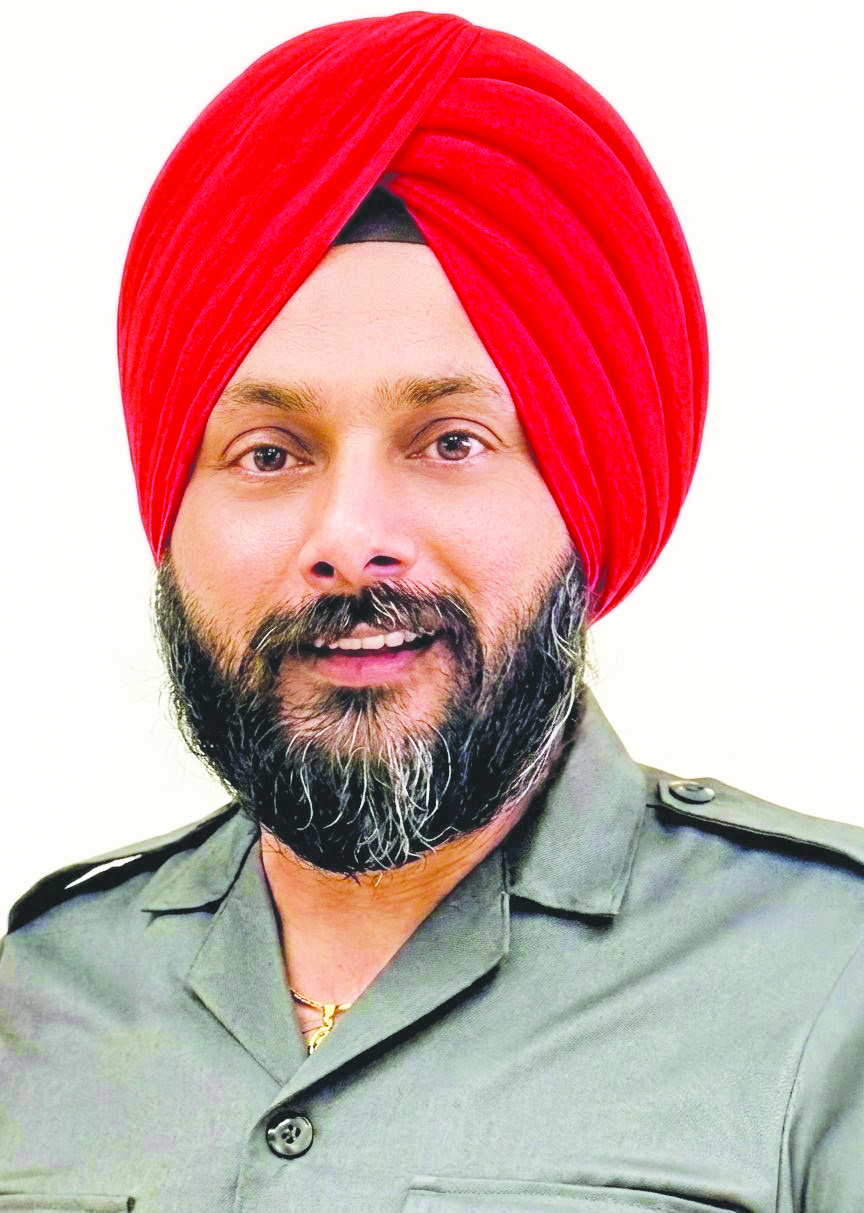
JAMMU, Aug 14: Heritage conservationist and Additional Co-Convenor, Jammu Chapter of the Indian National Trust for Art and Cultural Heritage (INTACH), Dr. Satwant Singh Rissam, has welcomed the Jammu and Kashmir Government’s approval of three major heritage conservation projects worth Rs 18.60 crore, while stressing the need for authentic restoration and strict adherence to established conservation principles.
The approved projects include the restoration and revival of Uttervehini Heritage in Samba, estimated to cost Rs 6.86 crore; repair and beautification of the historic Basohli Fort in Kathua, at a cost of Rs 6.50 crore; and revival of the Yatri Niwas along with beautification of the historic Nallah Soundbrari Spring in Anantnag, at a cost of Rs 5.24 crore.
Dr. Rissam described the government’s decision as a positive step towards protecting Jammu and Kashmir’s rich historical, architectural and cultural heritage. He said such initiatives could not only safeguard important heritage sites but also strengthen heritage tourism and contribute to local economic development.
However, he cautioned that approval and allocation of funds were only the beginning and that the real challenge lay in the execution of the projects.
“It is the execution that causes concern. We need to keep a close watch on whether the conservation work is being carried out strictly as per established heritage guidelines,” Dr. Rissam said.
He stressed that the original character, authenticity and historic fabric of each heritage site must be protected during restoration. He called for proper documentation, minimum necessary intervention, use of compatible materials, involvement of qualified conservation professionals and regular technical supervision throughout the implementation of the projects.
Dr. Rissam also urged the government and executing agencies to ensure transparency and accountability in the conservation process. He advocated periodic public review of the restoration work and cautioned that beautification should not be allowed to overshadow genuine heritage conservation.
According to him, heritage restoration should focus on preserving the historical identity and architectural integrity of a site rather than merely improving its visual appearance.
“The success of these projects should be judged not merely by the amount spent, but by whether the heritage value and cultural identity of these sites are preserved for future generations,” he said.
Dr. Rissam’s remarks come against the backdrop of his continued advocacy for the preservation of Jammu and Kashmir’s cultural heritage. On National Handloom Day, observed on August 7, he had also highlighted the importance of protecting the region’s traditional handloom and craft traditions.
He had called for stronger institutional support for weavers and artisans facing challenges from mechanised production, imitation products, limited market access and the declining transmission of traditional skills among younger generations.
He had also proposed a dedicated Jammu and Kashmir Handloom Revival and Heritage Protection Plan, including district-level craft mapping, documentation of endangered weaving traditions, youth apprenticeship programmes, common facility centres, branding of authentic J&K handloom products and a permanent artisan support and promotion cell.
Dr. Rissam reiterated that preserving heritage requires a long-term approach that combines conservation, community participation and sustainable economic opportunities while ensuring that Jammu and Kashmir’s unique cultural identity remains protected for future generations.